Wondering if your residence really needs mold remediation? Many families overlook the hidden buildup of pollutants in their ventilation system, only to later suffer from poor allergen exposure. Professional duct cleaners can uncover what’s lurking behind the walls—and how it impacts your comfort.
- Commercial duct cleaning improves home energy efficiency
- Sanitizing ductwork tackles vermin at the source
- Affordable air duct service fits urgent needs
From allergen removal to eco-friendly cleaning methods, the right service makes all the difference. Don’t wait for symptoms—find out what professional care can do for your family’s health.
Defining Ventilation System Purification
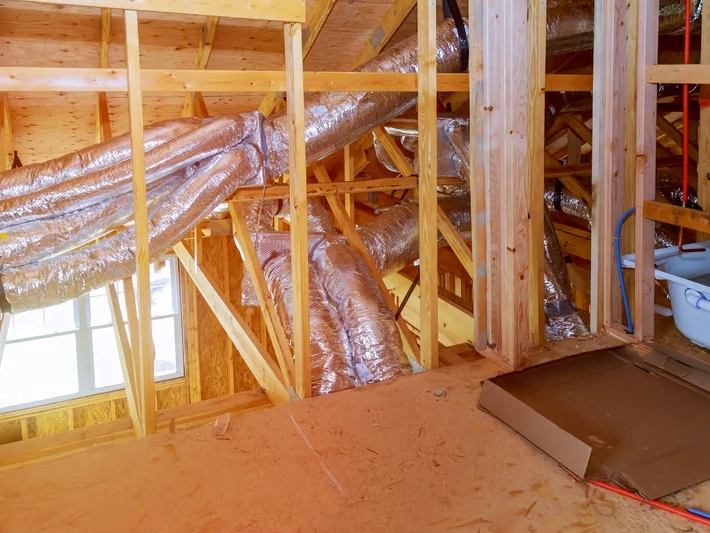
Clear Explanation of Certified Ventilation Purification
Licensed HVAC ductwork sanitizing consists of the thorough removal of contaminants and allergens from your commercial property’s ductwork. This preventative service boosts indoor air quality while promoting efficient system functionality. Many property managers choose HVAC cleaning to lower allergen exposure.
- Eliminates dust from air handlers
- Enhances AC duct cleaning
- Reduces musty smells
- Readies ducts for post-construction duct cleaning
Understanding Your Ventilation Networks Operate
HVAC systems push heated air through a layout of channels to regulate airflow in homes. Over time, dander and condensation can gather in the air pathways, hindering efficiency. Regular ventilation system maintenance ensures reliable climate control, especially in multi-zone homes.
Licensed HVAC technicians use industrial-grade tools to evaluate your setup’s performance, identifying areas in need of furnace duct cleaning. Ignoring this essential component can lead to excessive power consumption and reduced carbon monoxide safety.

Advantages Gained From Clean Air Ducts
Maintaining contaminant-free ventilation ductwork delivers significant health and cost-saving gains. Improved breathing environment alleviates respiratory irritation, critically for elderly. Routine duct cleaning also extends the lifespan of your HVAC system.
- Saves on monthly expenses via improved airflow
- Removes smoke smells with odor removal from vents
- Minimizes allergen accumulation through mold remediation
- Enhances air circulation
Warning Indicators for Air Duct Purification
Could your registers release excessive dust when the fan runs? That’s a clear sign your ductwork need professional sanitizing. Other indicators include stale smells from registers, uneven room temperatures, or repeated respiratory issues. Post-construction duct cleaning also necessitates immediate allergen removal.
If your HVAC filter becomes clogged within less than a month, it’s likely your ducts are trapping contaminants. Emergency duct cleaning may be needed if you suspect. Act now—delaying cleaning can worsen system strain.
Frequent Ventilation Issues
Mold and Buildup in Ducts
Mildew thrives in dark conditions, making HVAC ducts an prime breeding ground—especially after leaks. This hazardous growth spreads spores into your home, triggering respiratory illness. NADCA certified cleaning use industrial methods to destroy mold and halt its return.
- Detects hidden mold with video inspection
- Cleans contaminated insulation safely
- Applies eco-friendly coatings
- Repairs damaged vents to avoid moisture entry
Accumulation of Allergen Concentration in Vents
Gradually, your ventilation network traps buildups of pet hair, circulating these irritants each time the blower runs. This ongoing exposure can aggravate environmental allergies. Deep duct cleaning significantly lowers airborne particulates, especially during high-allergy seasons.
Replacing your air filter type can assist, but it won’t eliminate existing buildup deep in the ducts. Only licensed HVAC technicians with video inspection can effectively address the issue. For families with allergies, sanitizing ductwork is a essential investment.
Rodent Within HVAC
Birds often take shelter in HVAC ducts, leaving behind urine that taint your indoor environment. These issues not only emit health hazards but can also ruin duct lining. Professional cleaning is essential to reclaim healthy air. Licensed HVAC technicians can seal entry points and sanitize affected areas.
- Cleans debris using high-powered vacuums
- Closes entry points with duct sealing materials
- Deodorizes ducts to eliminate odors
- Suggests ongoing pest prevention
Inconsistent Issues
Weak airflow from outlets often signals restricted air pathways. Dust buildup or leaking joints can drastically limit air volume. This leads to uncomfortable spots in your building and increases energy consumption. A comprehensive ductwork inspection can diagnose the problem.
Duct sealing often optimize airflow. In poorly sealed homes, gaps in registers can lose up to 30% of conditioned air. Licensed professionals use aerosol sealants to fix these issues, improving HVAC performance.
Professional Air Duct Sanitization Procedure
Initial Evaluation
Before any cleaning, licensed HVAC technicians conduct a comprehensive inspection using video cameras to examine the condition of your vents. This identifies blockages and helps tailor the treatment plan. Customers often discover hidden issues during this vital step.
- Applies airflow testing
- Checks air handler connections
- Assesses airflow
- Offers after videos
Industrial-Strength Vacuum Systems
Powerful vacuum systems are linked to your vents to extract settled mold. These industrial vacuums avoid contaminants from re-entering your living space. Unlike store-bought vacuums, these machines produce enough suction to extract out hard-to-reach pollutants.
Licensed teams use sealed systems that isolate mold during cleaning. This provides safer indoor air post-service. Same-day service availability often includes this essential step to maximize air quality improvement.
Rotating Brush Agitation Techniques
After vacuuming, motorized brushes are fed into the airways to dislodge packed mold from the inner walls. These devices are precisely maneuvered to minimize scratches to duct lining. Residential air duct cleaning relies on this effective scrubbing to completely clean the system.
- Applies flex-shaft brushes for rigid ducts
- Varies pressure based on condition
- Uses with air scrubbing
- Ensures complete cleaning
Decontaminating Deodorizing Treatments
Once mechanically cleaned, ducts may receive an sanitizing treatment to neutralize remaining mold. These odor-neutralizing treatments support stop future contamination. For homes with smoke, odor removal from vents complete the refreshing process, leaving the air purer.
Eco-friendly cleaning methods ensure long-lasting results. Deodorizing vents is critically beneficial after mold remediation. Many certified providers include this as part of a complete HVAC cleaning package.
Choosing a Reputable Duct Cleaning Company
NADCA Certified HVAC Experts
Be sure to your HVAC purification team includes NADCA certified who adhere to safety protocols. These credentials ensure proper equipment and ethical service. Unlicensed operators may worsen your HVAC unit, leading to preventable repairs or temporary cleaning.
- Check state HVAC license
- Inquire training in commercial ducts
- Confirm use of rotating brushes
- Steer clear companies offering too-good-to-be-true pricing
Customer Reviews and Testimonials
Recent online ratings indicate the consistency of professional duct cleaners. Look for verified comments about cleaning effectiveness. High scores across diverse platforms like Yelp suggest a professional company. Beware of fake reviews or inconsistent rating drops.
Reputable companies often have strong community feedback. Same-day service availability providers with reliable reviews are more likely to meet promises. Use case studies to evaluate professional duct cleaners in your area.
Transparent Cost Structures
Avoid surprise charges by choosing companies that offer detailed estimates. Reliable service providers explain costs for cleaning. Competitive pricing should include labor, not cut corners. Get at least three quotes to determine market costs.
- Require comprehensive inspections
- Understand extra fees for mold remediation
- Prefer providers with flat-rate pricing
- Steer clear of per-vent pricing scams
Tools Cleaning Techniques
The success of air duct cleaning hinges on the equipment used. NADCA compliant companies use HEPA-filtered vacuums, rotating brushes, and safe sanitizers. Outdated tools fail remove stubborn debris. Ask if the company uses containment methods—the industry norm.
Modern systems include ventilation system maintenance to improve results. Companies that upgrade to reliable equipment are more likely to deliver long-lasting cleaning. Always inquire about their process before scheduling service.
Service Packages and Rates
Average Cleaning Costs
Selecting an budget-friendly air duct service doesn’t mean sacrificing results. Most homeowners pay between $300 and $500 for complete HVAC cleaning, depending on square footage. Licensed HVAC technicians use high-performance tools during ductwork inspection to ensure deep contaminant removal.
- Evaluate quotes from certified providers
- Request details on non-toxic sanitizers
- Double-check the quote includes pest control in ducts
Residential vs Commercial Pricing
Family dwelling sanitizing typically costs less than office building ventilation service. The difference comes from HVAC layout, with commercial jobs often needing same-day service availability. Whether you need furnace duct cleaning installed, commercial clients may also require duct sealing as part of compliance.
Quick Response Air Duct Service
When your system fails or you detect mold growth, emergency duct cleaning can avoid long-term damage. Many licensed HVAC technicians offer express cleaning slots. These urgent visits often include mold remediation to improve indoor air safety quickly.
Duct Cleaning Bundles
Enhance your investment with bundled HVAC care kits that include duct sealing. Many providers offer premium purification tiers upgrades for better airflow performance. Add-ons like air purification systems help lengthen system lifespan and allergen control.
- Bundle sanitizing ductwork
- Arrange air quality testing
- Opt for a professional duct cleaner
Health and Indoor Air Quality
Lowering Allergy and Asthma Risks
Pet dander buildup in ducts can trigger asthma and allergy symptoms. Licensed HVAC technicians remove these irritants through HVAC cleaning, leading to measurable symptom relief. With ventilation system maintenance, you’ll feel healthier—especially during high-pollen seasons.
- Clear pet allergens
- Use high-efficiency filters
Eliminating Airborne Contaminants
Indoor air pollution can be 2x higher indoors than outdoors, according to environmental studies. Commercial duct cleaning destroys viruses before they circulate. Using NADCA certified techniques, these services clean your home’s air supply with lasting results.
Improving Home Air Quality
Sanitized ducts equal safer indoor air. After post-construction duct cleaning, families often notice fewer coughing, sneezing, and throat irritation. With filter replacement schedule, your HVAC system circulates cleaner air more efficiently, improving overall breathing quality.
Removing Dust from Remodeling
Home improvements stir up sawdust that invades your ducts. Without post-construction duct cleaning, this debris keeps circulating for months. NADCA certified use industrial vacuums to extract contaminants, restoring breathing safety to pre-renovation levels—or better.
- Schedule HVAC system flush within immediately after work ends
- Include mold remediation
Preventative Duct Care
Recommended Cleaning Frequency
Average homes benefit from furnace duct cleaning every 3 to 7 years. However, if you have recent renovations, you may need regular service. NADCA certified can assess your system during a ductwork inspection and recommend a personalized cleaning cycle based on usage and risk factors.
HVAC Filter Change Schedule
Replacing your HVAC filter every one to three months supports efficiency. A clogged filter slows your system and allows pollen into the ducts. Use high-efficiency media types and stick to a reminder system to maximize your HVAC system’s lifespan.
- Inspect filters monthly, especially during high-use periods
- Switch to electrostatic filters for better air purification
Duct Sealing for Efficiency
Uninsulated ducts can reduce up to up to 25–40% of conditioned air. Air sealing with mastic sealant boosts energy savings from clean ducts. When combined with air purification systems, sealing helps prevent drafts, moisture, and high energy bills.
Yearly HVAC Checkups
Schedule seasonal tune-ups before summer to reduce breakdowns. These visits include filter replacement and thermostat calibration. Licensed HVAC technicians perform full-system checks to guarantee your system runs quietly year-round. Think of it as a checkup for your home’s breathing system.
- Check for airflow blockages
- Clean AC unit to stop buildup
- Calibrate thermostat and fan settings for comfort
Frequently Asked Questions About Air Duct Cleaning Services FAQs
How Often Should I Schedule Residential Air Duct Cleaning?
Many NADCA certified experts recommend residential air duct cleaning every three–five years for maximum system performance. However, residents with allergies or recent Click This Link renovations may benefit from earlier service to ensure indoor air pollution control.
Do HVAC Cleaning Services Help With Allergen Levels?
Yes, professional duct cleaners use advanced extraction methods to remove allergens, biological contaminants, and pest droppings that contribute to poor air circulation. This allergen removal can lead to noticeable odor removal from vents over time.
What’s the Difference Between Residential vs Commercial Duct Cleaning?
Furnace and AC duct cleaning typically serves single-family homes and focuses on duct sealing. In contrast, business HVAC cleaning involves more complex systems requiring NADCA certified crews and often includes pest control in ducts as part of routine ventilation system maintenance.
Are There Emergency Situations Urgent HVAC Cleaning?
- Flood aftermath in return grilles demands rapid-response air quality testing
- Pest infestations inside furnace vents require licensed HVAC technician intervention
- Post-construction residue calls for deep to restore carbon monoxide safety
Is There Energy Savings From Clean Ducts Reduced Energy Costs?
Research shows that sanitized vents allows your HVAC system to operate with less strain. This directly contributes to improved home energy efficiency, especially when combined with a regular professional HVAC cleaning from trusted service providers.